

The Central American Commission for Maritime Transport (COCATRAM), through its Executive Director, Otto Noack, is participating in the 76th session of the Technical Cooperation Committee (TC 76) of the International Maritime Organization (IMO), being held at the organization’s headquarters in London, United Kingdom, from June 8 to 12, 2026.
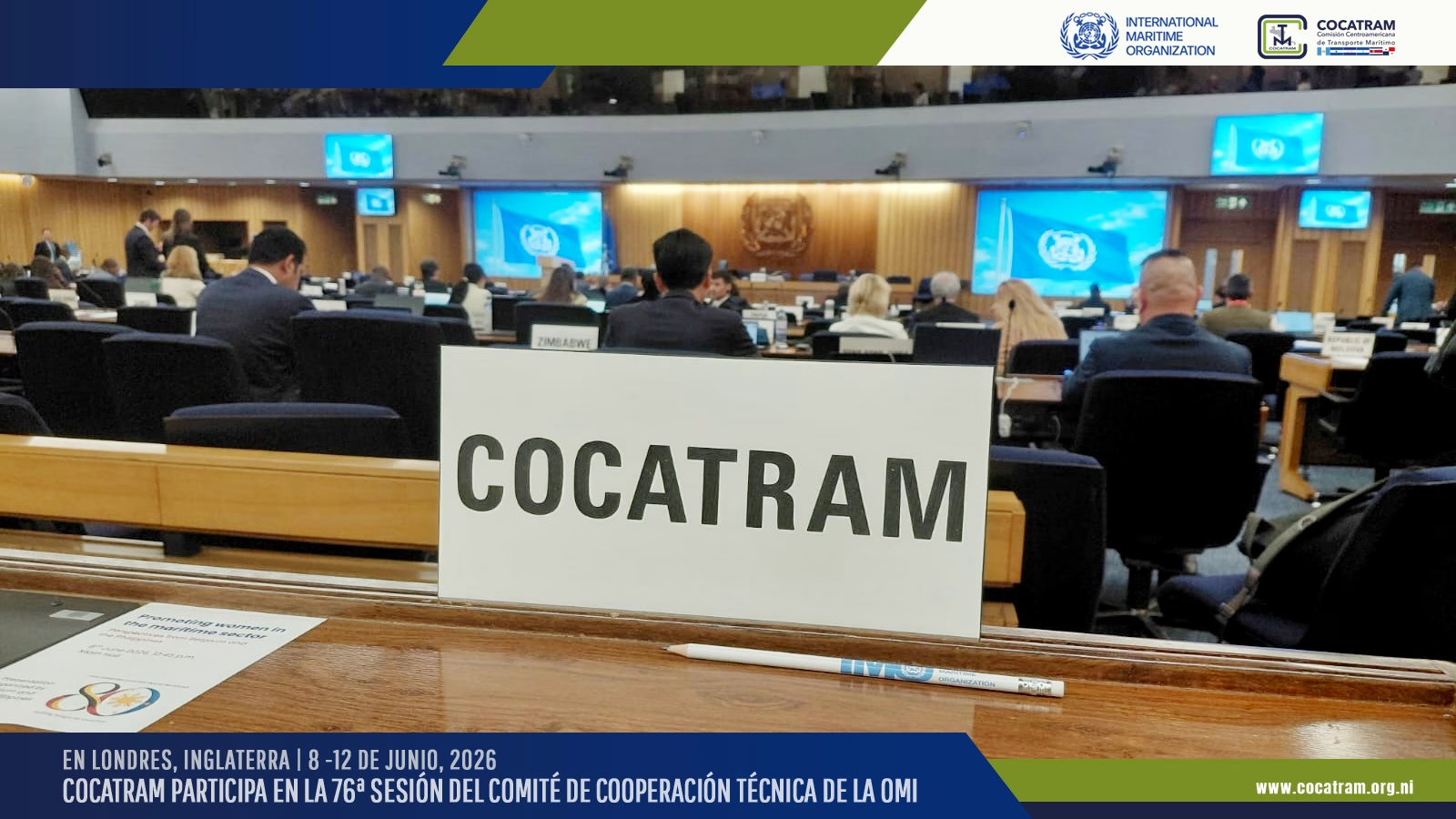
Within the framework of this meeting, which brings together representatives of Member States and international organizations from the maritime sector, COCATRAM highlighted the progress achieved in Central America through the IMO’s Integrated Technical Cooperation Programme (ITCP), as well as the coordinated efforts undertaken with countries in the region and organizations linked to the maritime sector.
During his intervention, COCATRAM’s Executive Director emphasized the progress made in maritime traffic facilitation, noting the strengthened implementation of the FAL Convention through national and regional initiatives. Among these, he highlighted the adoption of a joint action plan between El Salvador and Honduras to modernize maritime facilitation processes, as well as the progress made by Costa Rica and Guatemala in formalizing their National Maritime Facilitation Committees. He also underscored Guatemala’s efforts in developing Maritime Single Windows, contributing to the digitalization of maritime transport in the region.
In the area of marine environmental protection, it was reported that the IMO supported the third phase of the regional needs assessment under the Cooperation Convention, which has helped identify capacity gaps and strengthen preparedness and response to marine pollution incidents. In this context, COCATRAM’s role in promoting the exchange of experiences and regional technical cooperation was also highlighted.
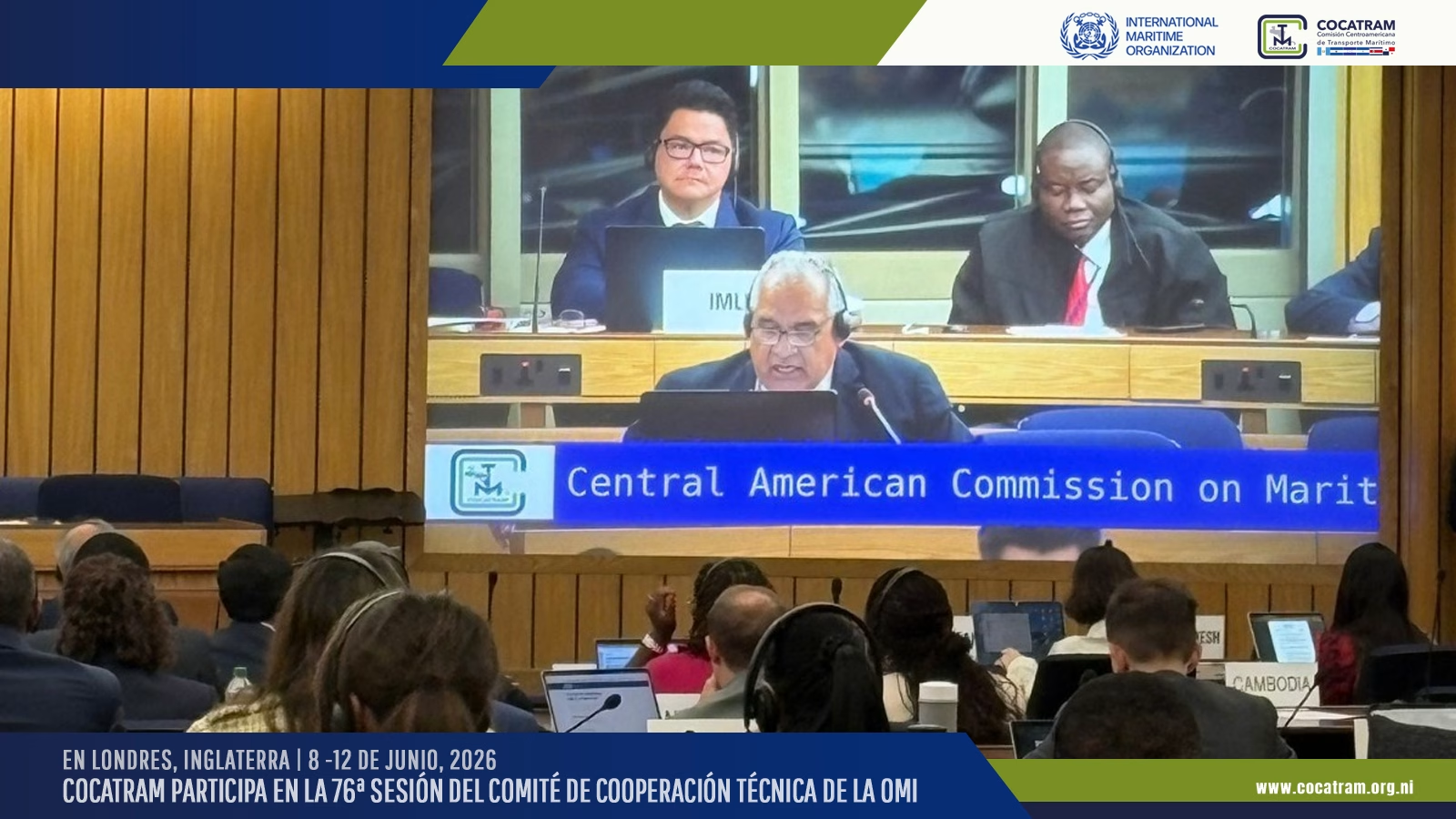
Regarding capacity development, recognition was given to the joint work of the Senior Maritime Administrators of the Operational Network for Regional Cooperation among Central American Maritime Authorities (ROCRAM-CA) in developing the 2026–2027 Regional Action Plan. This instrument incorporates performance indicators, monitoring mechanisms for the IMO Member State Audit Scheme (IMSAS), and actions aimed at promoting gender equality, thereby contributing to institutional strengthening and the effective implementation of international instruments.
In the area of maritime safety, the implementation of a subregional Training of Trainers Programme on Port State Control (PSC) was highlighted. The program was designed exclusively for women professionals in the maritime sector. This initiative strengthened institutional inspection and oversight capacities while also advancing the objectives of the IMO’s “Women in Maritime” program.
In closing, COCATRAM expressed its deep appreciation to the IMO for its continued support to the region and acknowledged the Government of Malaysia for its valuable contribution to the development of technical cooperation activities in Central America.
