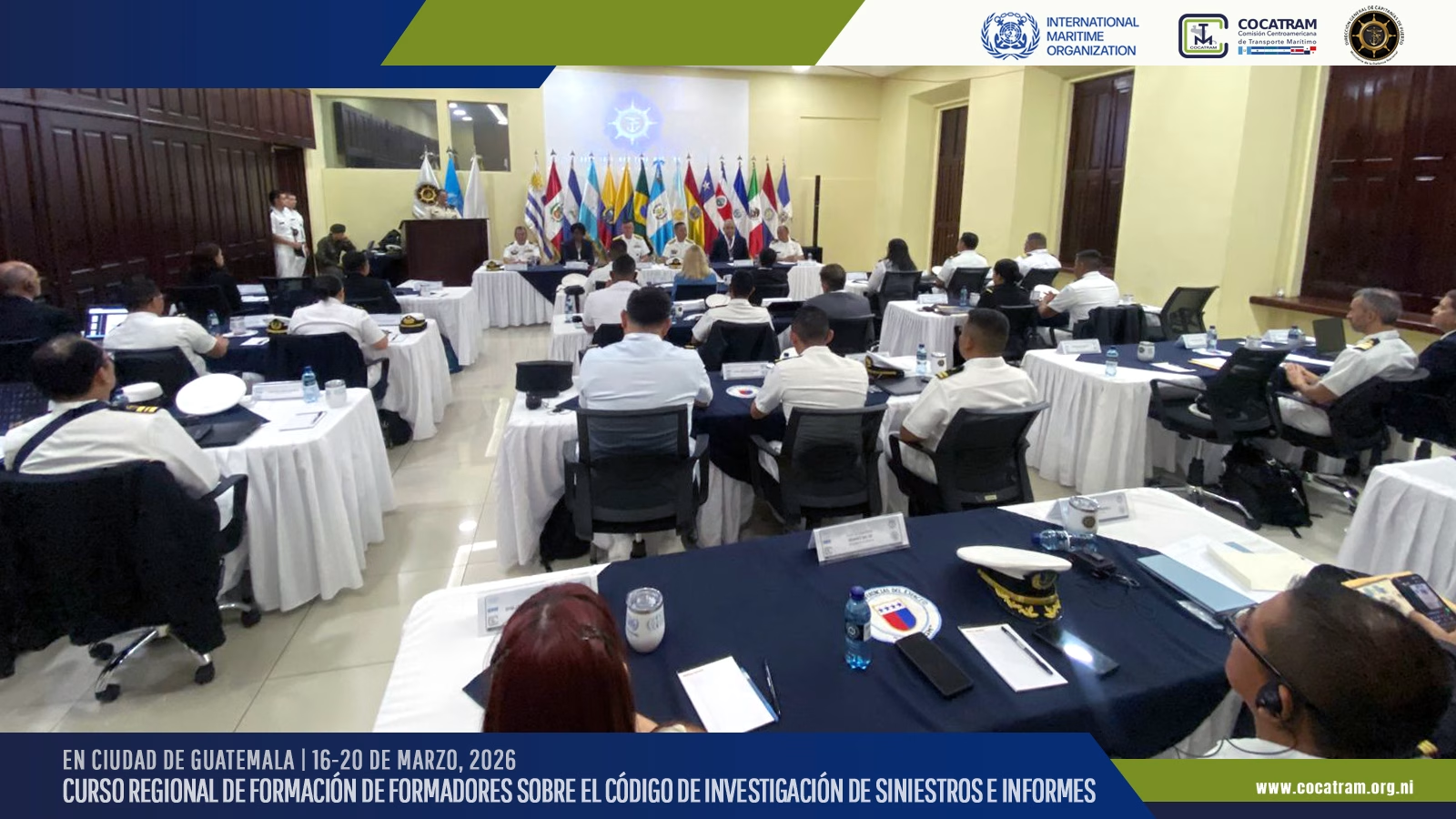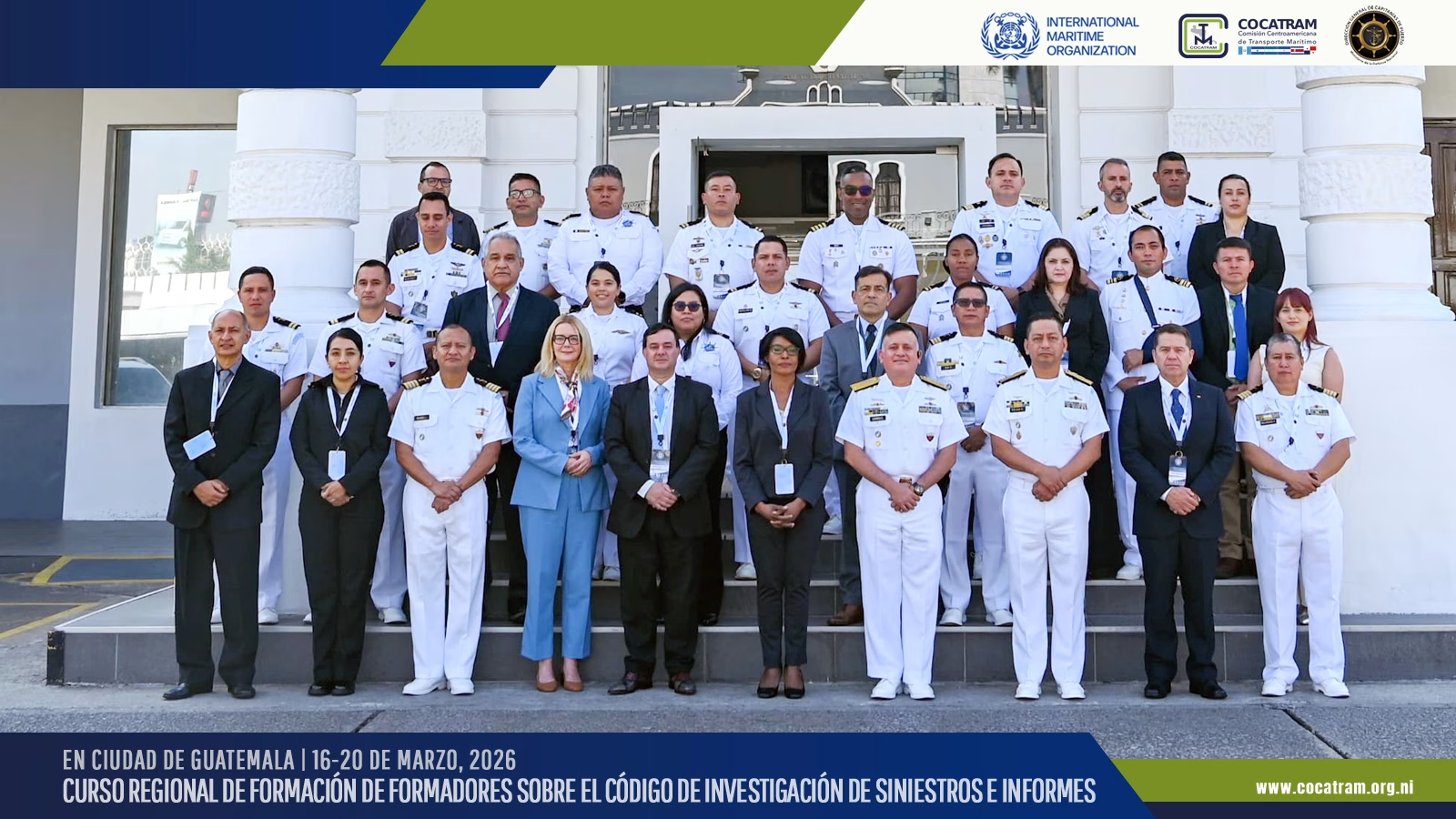
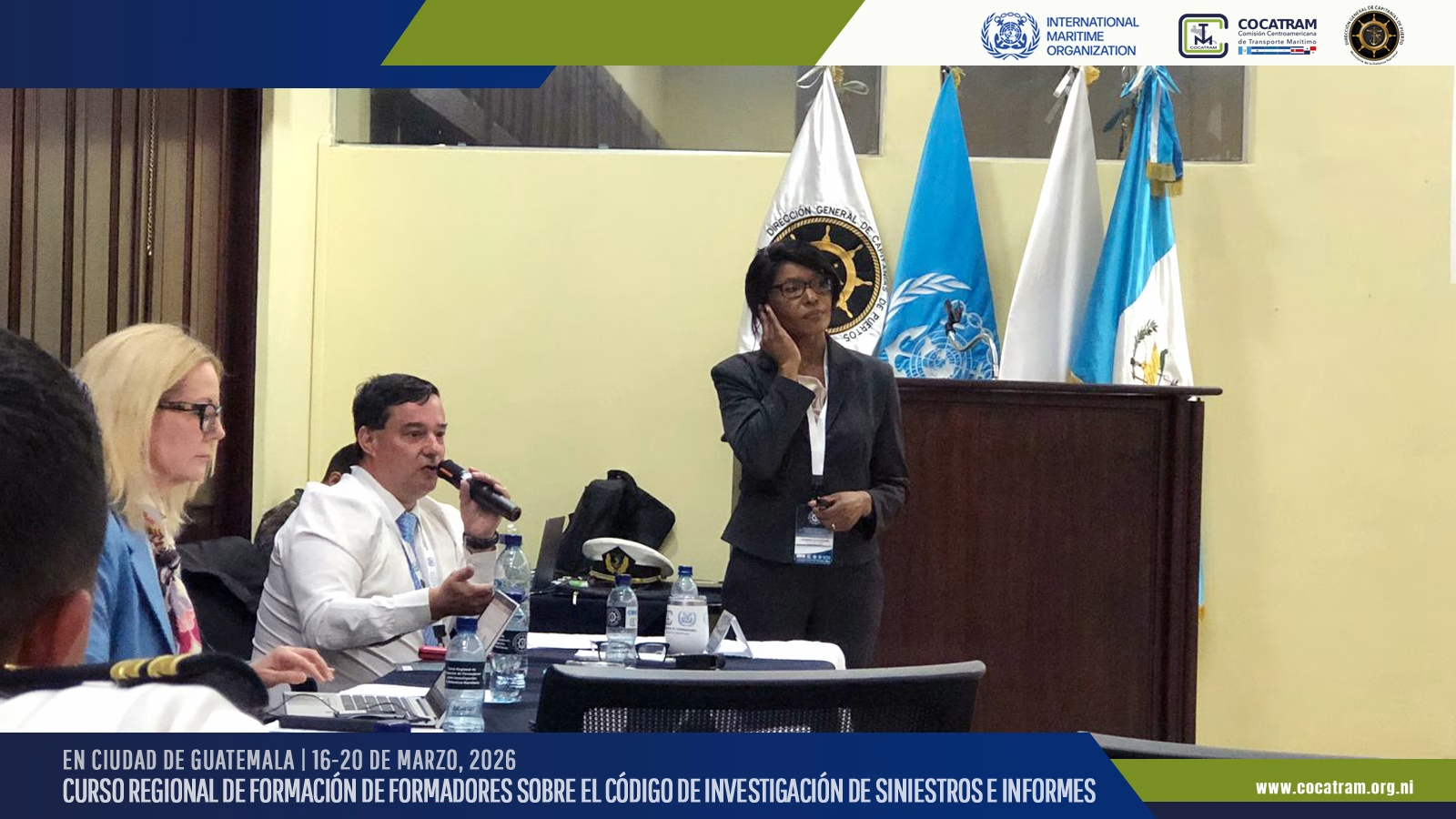
In Guatemala City, from March 16 to 20, 2026, the Regional Train-the-Trainers Course on the Casualty Investigation Code and Reporting is being held. This initiative is sponsored by the International Maritime Organization and jointly organized with the Central American Maritime Transport Commission, with the valuable support of the Government of Guatemala through its National Maritime Authority.
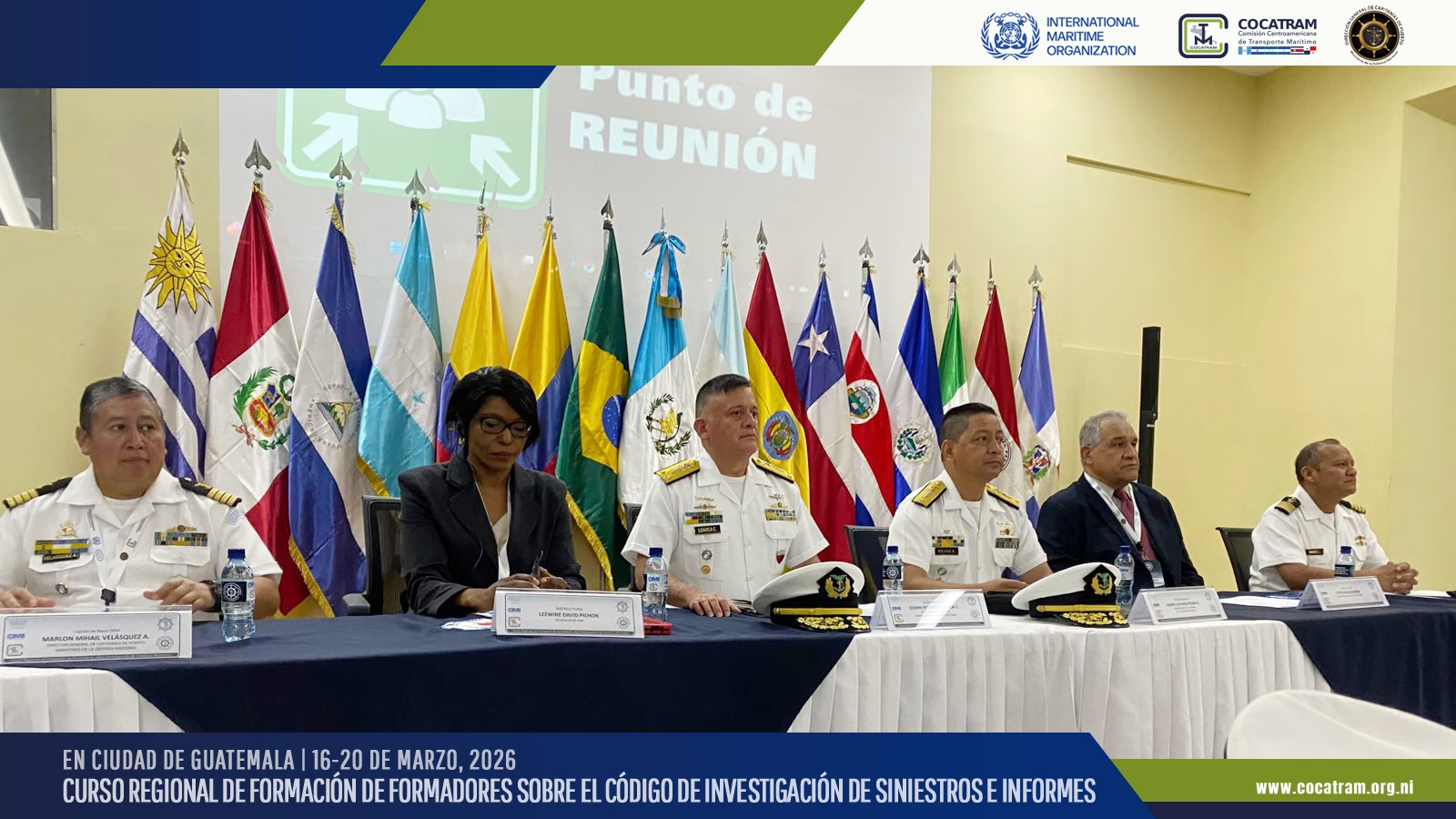
During the opening session, the Opening Ceremony featured remarks by Vice Admiral Edwin Loarca Cifuentes, Deputy Minister of the Navy of the Ministry of National Defense; IMO Instrument Implementation Officer Leedwine David Pichon; and COCATRAM Executive Director Otto Noack. They highlighted the importance of strengthening technical competencies in maritime casualty investigation as a fundamental pillar for improving safety and protecting the marine environment in the region.
Following this, the course officially began, covering essential topics such as course introduction, learning objectives, management of different types of maritime casualties, and the historical analysis of these events, led by IMO consultant Marcelo Covelli. It also delves into the responsibilities of States, the applicable legal framework, and the structure of the Casualty Investigation Code, along with content related to the ISM Code, safety management systems, and risk assessment.
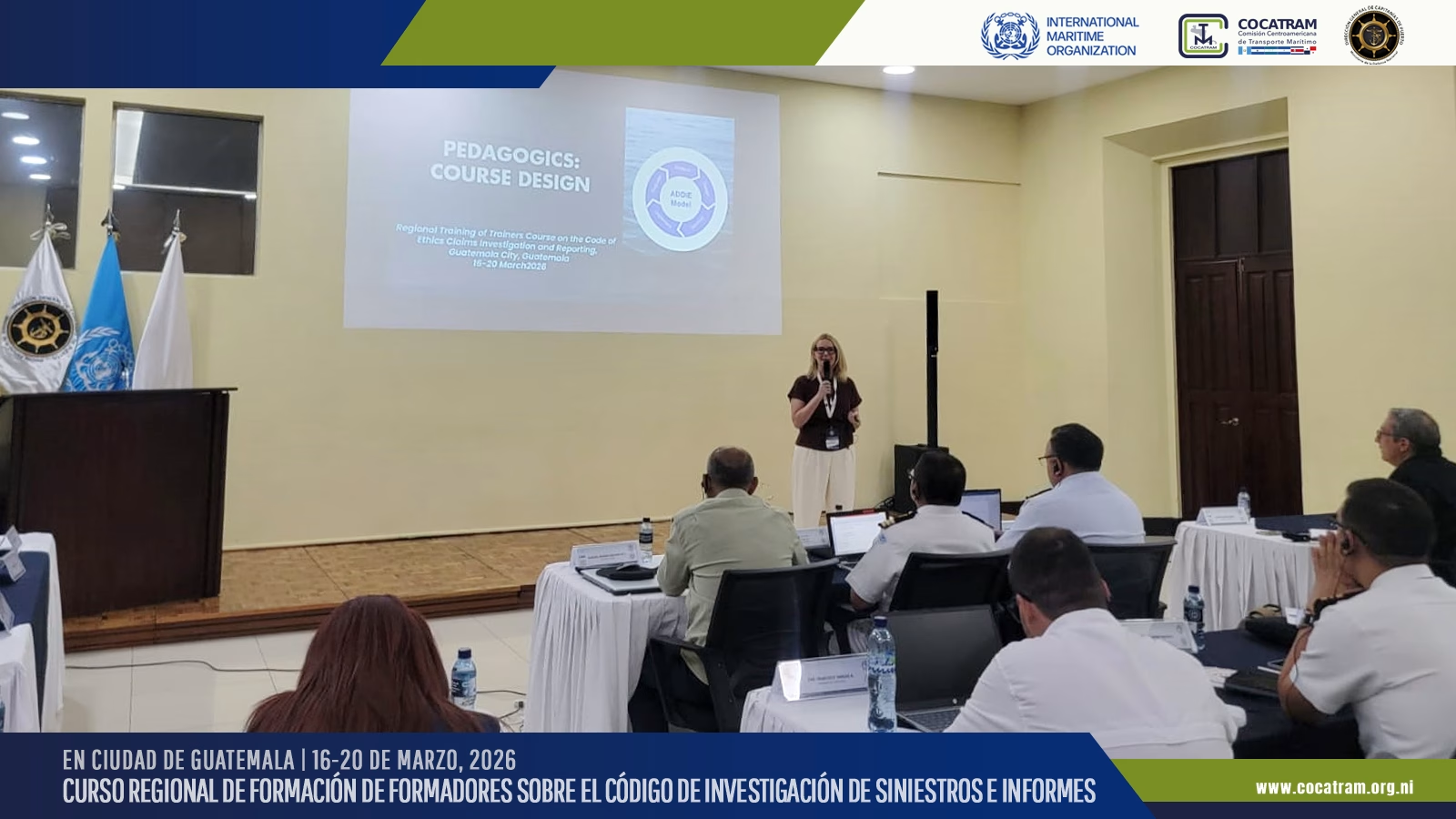
The academic program includes a pedagogical approach led by Anne Pazaver, representative of the World Maritime University, who addresses training capacity development, expected learning outcomes, and teaching methodologies. In parallel, technical content is delivered on evidence collection, timeline development, and interview techniques, complemented by practical exercises for participants.
Likewise, cross-cutting topics are incorporated, such as gender equality in maritime governance promoted by the IMO, as well as factors influencing learning, facilitation techniques, and the use of Model Course 3.11. Human and organizational factors and best practices in casualty investigation are also examined.
Regarding audit processes in casualty investigation, participants are introduced to the analysis and presentation of key findings, as well as the formulation of safety recommendations and the drafting of reports in their various formats (factual, basic, preliminary, and final). These sessions also include case studies that allow participants to apply the knowledge acquired in practical scenarios.
The course will conclude on March 20 with a session on the IMO’s GISIS system and its modules for reporting maritime casualties and incidents, a space for synthesis and discussion, and the closing ceremony, during which certificates of participation will be awarded.
This activity is part of the joint work between the IMO and COCATRAM under the Memorandum of Understanding (MOU) in force between both institutions, as well as within the IMO’s Integrated Technical Cooperation Programme, aimed at strengthening Member States’ capacities in maritime safety, accident prevention, and enhancing standards and response capabilities to casualties at the regional level.